Blog
Production patterns, failure postmortems, and architecture decisions from the field.
Never Trust the Number: How to Build Reliable Text-to-SQL Agents That Refuse Unsafe Questions
A practical architecture for reliable text-to-SQL agents: keep generative models away from business-critical values, make unsupported questions visibly unanswerable, and use deterministic execution for governed results.
Reasoning Agents Don't Need More Paths. They Need a Better Theory of Failure
Search can help an AI agent find a correct answer. Causal reasoning can teach it which decision produced the failure—and what to change next time.

Your Value-Add Is Showing
Corporate jargon was always a way of saying nothing with confidence. AI just made it impossible to ignore.
Setu vs. Debezium: When to Use Which for Postgres Change Streams
Setu and Debezium solve different layers of the CDC stack. This post explains where each fits, what they cost, and when a lightweight Rust activator is the better choice.
Setu vs. PostgreSQL LISTEN/NOTIFY: Why Logical Replication Ages Better
LISTEN/NOTIFY is fast and simple, but it is not durable CDC. This post compares trigger-based notifications with Setu’s logical-replication approach for production activation.

Why Your AI Transformation Is Stuck in Enablement and How to Fix It
Most AI transformations fail because they treat technology deployment as the core problem. AI transformation is a behavior redesign challenge - here's how to move beyond agent building to fundamental business model reinvention.

The Vector DB as Journey Logger: Why One Namespace Kills Context in Multi-Session RAG
A single vector namespace across onboarding, support, and retention is the RAG equivalent of a monolithic database. One top-k guarantees context bleed. Here is how to namespace by stage or use the vector DB as a journey logger.
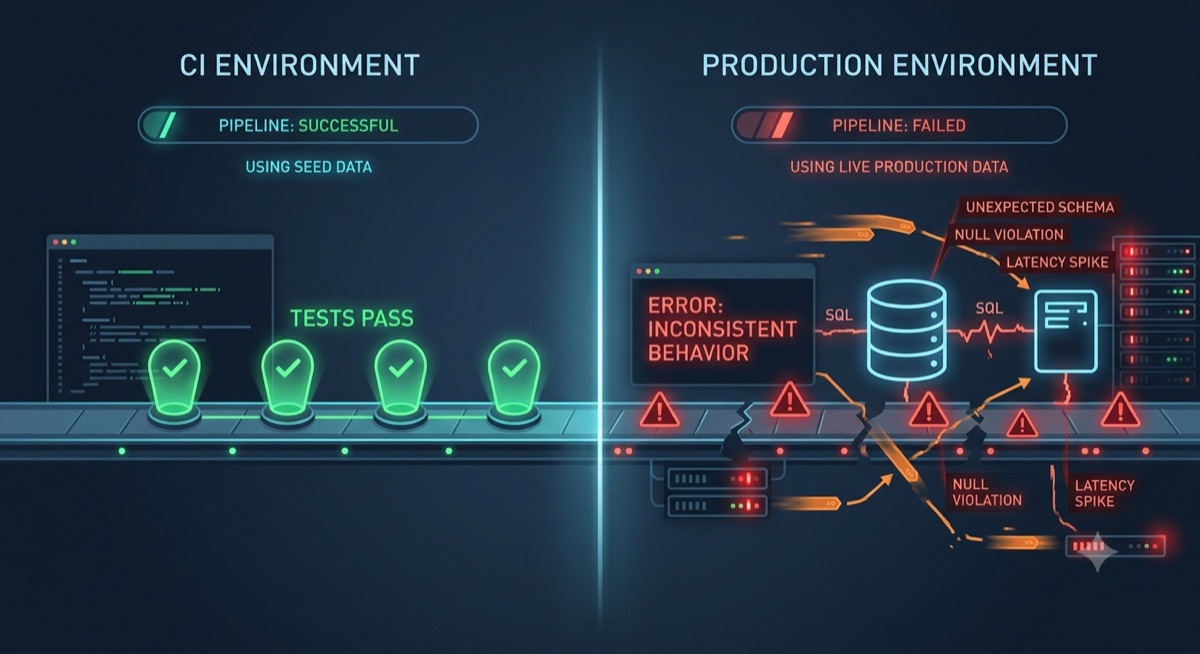
Your dbt Tests Pass in CI. They Fail in Production. Here is Why.
CI tests pass on seed data but fail in production. This post explains how to structure dbt testing for production behavior — singular tests, source freshness, and contracts.
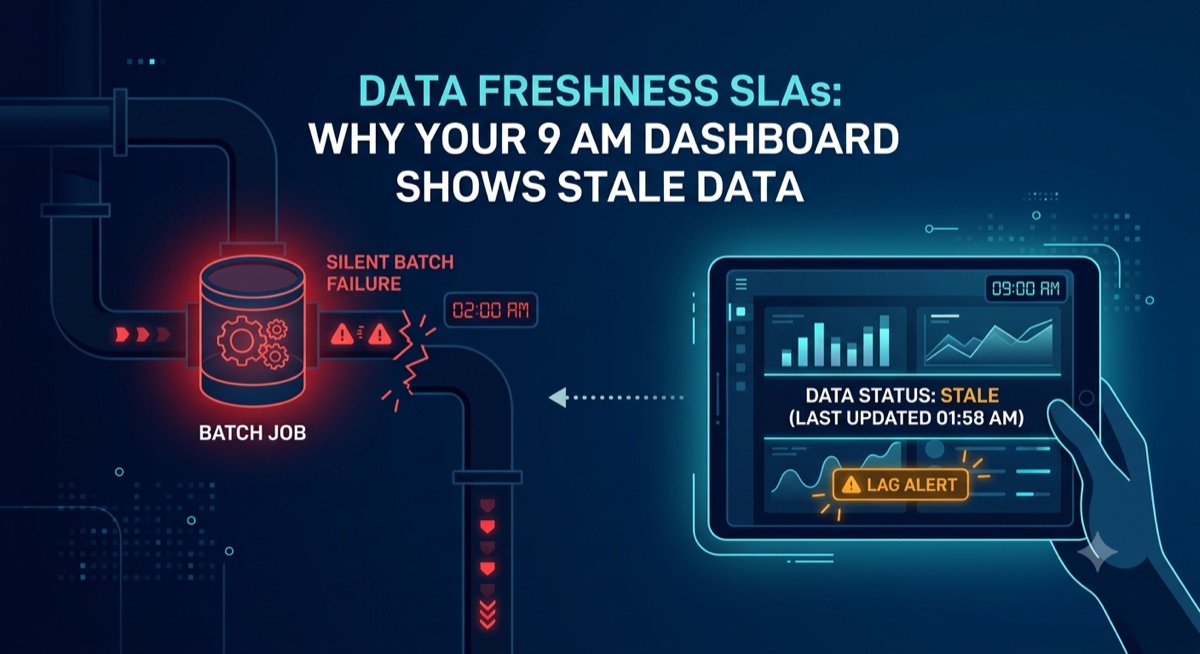
Data Freshness SLAs: Why Your 9 AM Dashboard Shows Stale Data
Your executive dashboard refreshes at 9 AM but shows data from yesterday. A batch job failed silently at 2 AM, and no one monitors pipeline lag. Here is how to define, measure, and enforce data freshness SLAs.
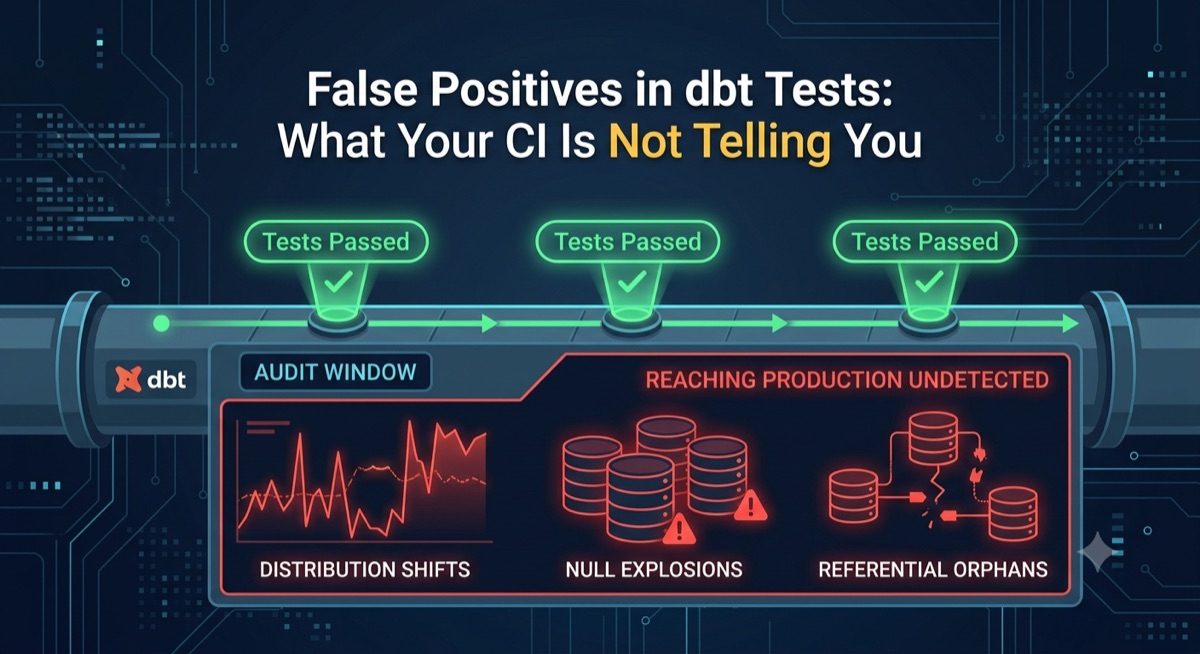
False Positives in dbt Tests: What Your CI Is Not Telling You
Your dbt tests pass, but distribution shifts, NULL explosions, and referential orphans are reaching production undetected. Here is how to audit your test coverage for the unknown unknowns.
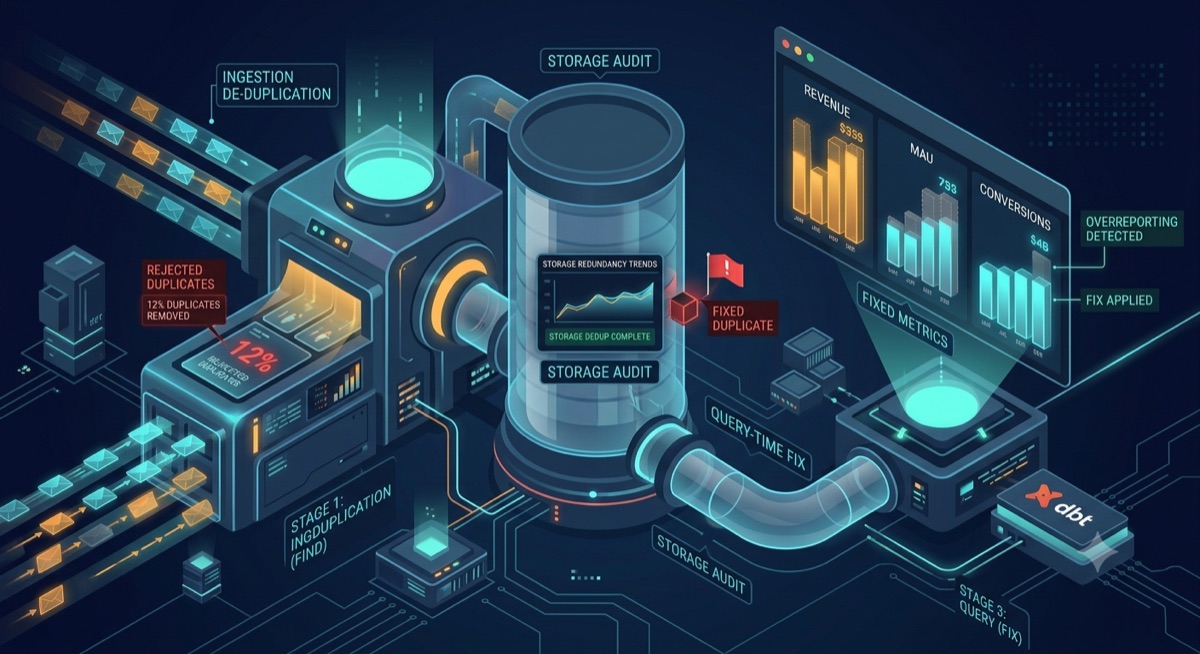
Duplicate Records Are Inflating Your Metrics. Here Is How to Find and Fix Them.
Your de-duplication logic is letting 8–15% of duplicates through. Revenue, MAU, and conversion counts are overreported. Here is how to audit and fix dedup at ingestion, storage, and query time.
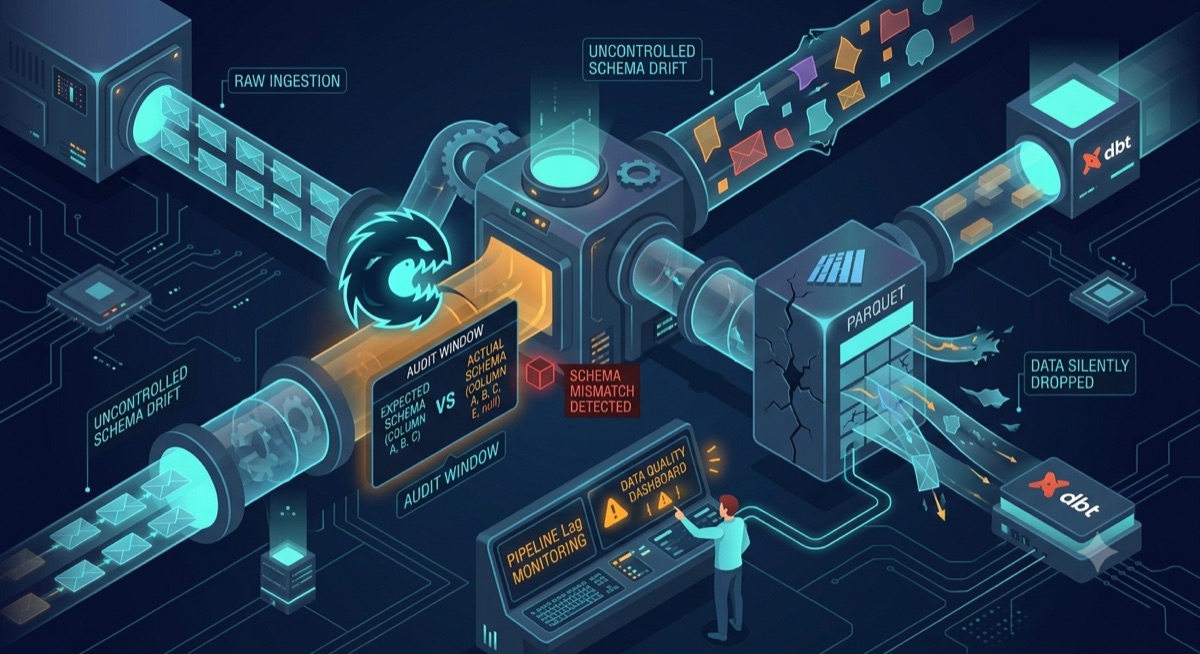
Schema Drift Is Eating Your Data Lake. Here is How to Catch It Before It Reaches Production.
Parquet files accept new columns without complaint, and your pipeline silently drops data every time the source adds a field. Here is how to detect, prevent, and survive schema drift in columnar storage lakes.
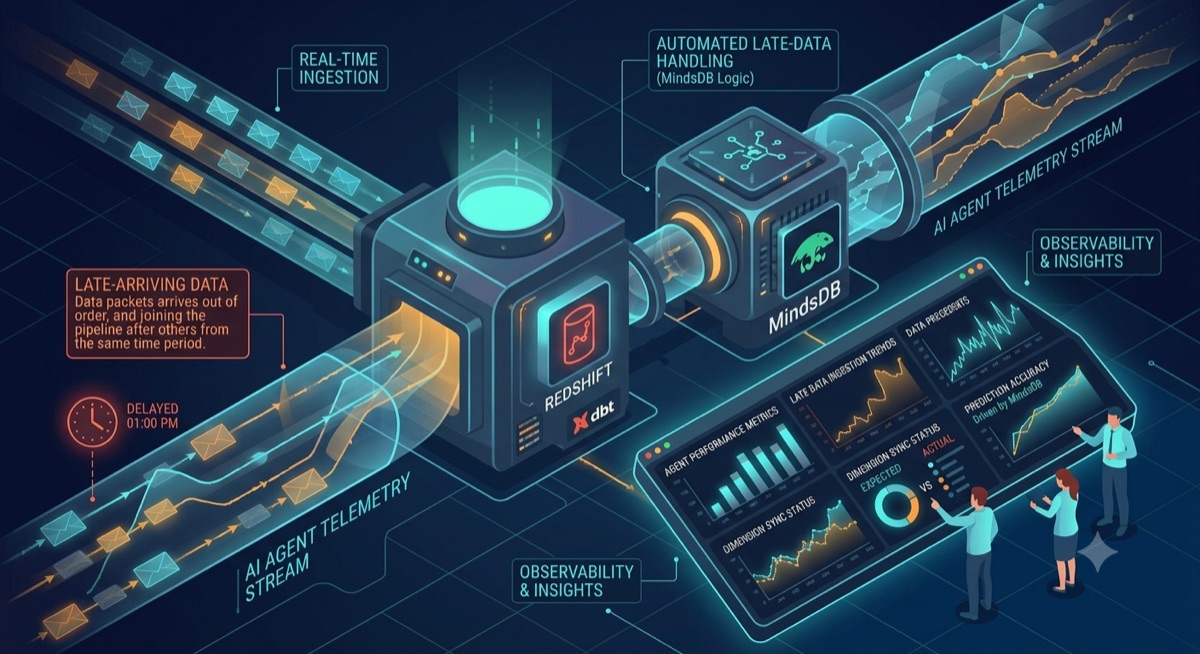
Mastering Late-Arriving Data: A Practical Guide to AI Agent Observability with Amazon Redshift and MindsDB
Learn how to handle late-arriving dimensions in AI agent telemetry using Amazon Redshift and MindsDB. A practical tutorial with production-ready code for AWS data warehouses.
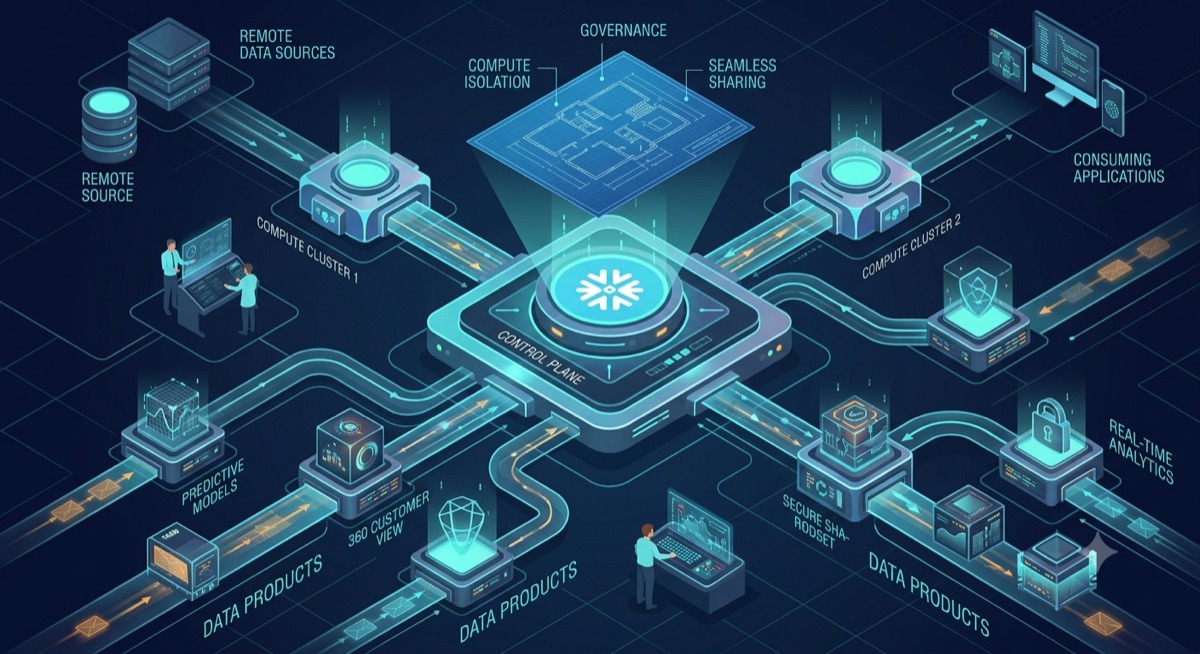
Snowflake: The Cloud Control Plane for Data Products
Moving beyond the data warehouse: How Snowflake acts as a control plane for modern data products through compute isolation, governance, and seamless sharing.
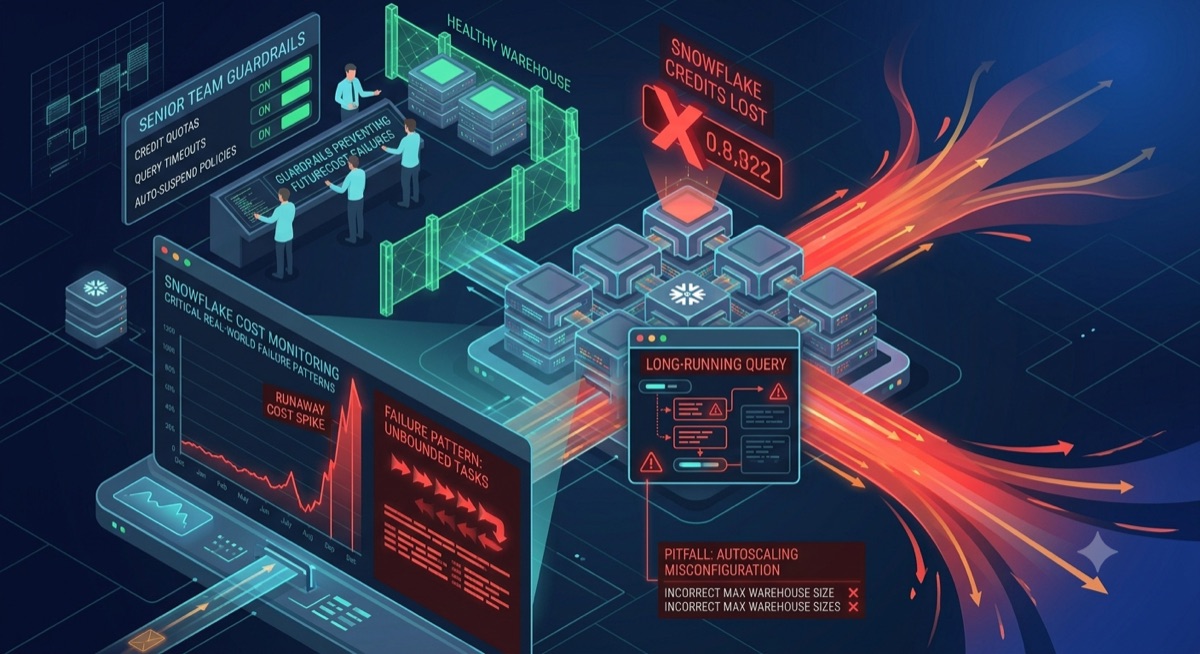
Snowflake Cost Failures: Patterns, Pitfalls, and Prevention
Analyzing real-world Snowflake cost failure patterns—from runaway warehouses to unbounded tasks—and how senior teams implement guardrails to prevent them.
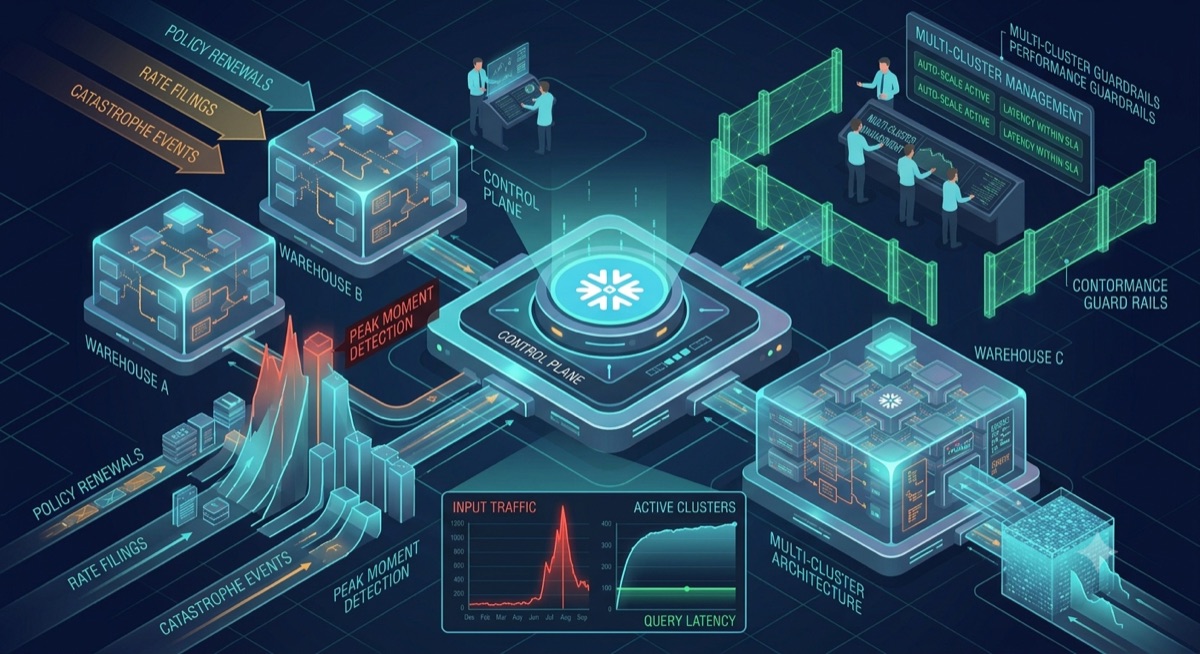
When Insurance Analytics Meets Snowflake: Multi-Cluster Architecture for Peak Moments
Learn how Snowflake multi-cluster architecture solves insurance analytics challenges during peak moments like renewals, rate filings, and catastrophe events.
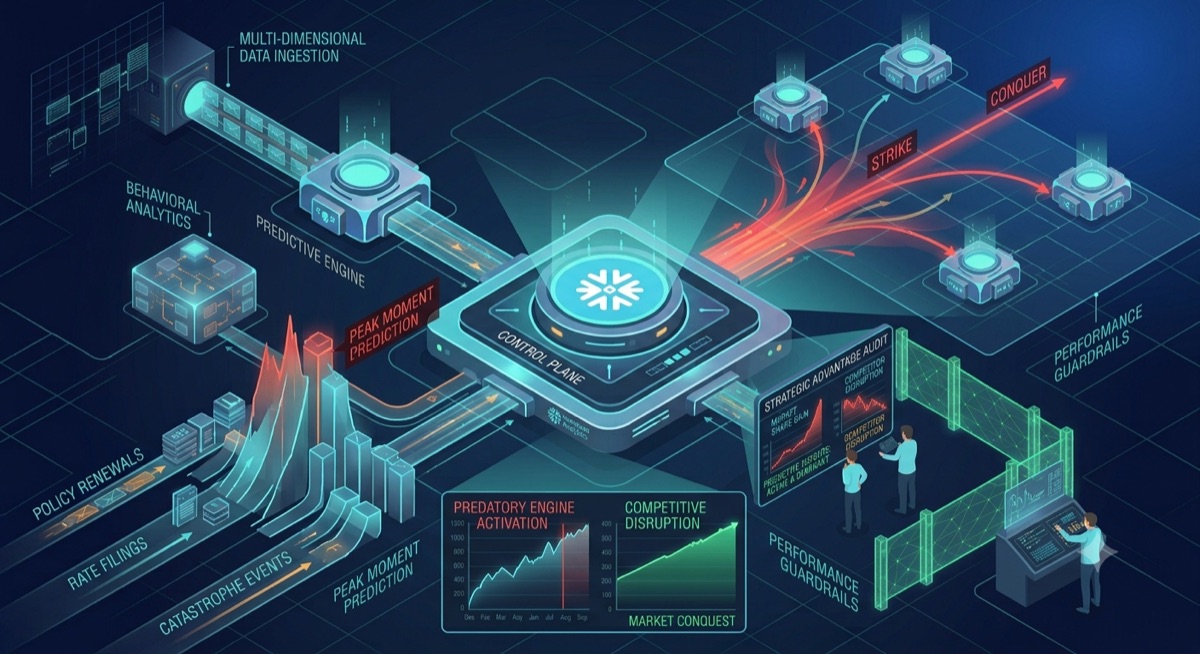
Predictive Dominance: Turning Data into a Weapon for Market Conquest
Anticipate. Strike. Conquer. Discover how predictive analytics transforms from a luxury into a predatory engine for business dominance.
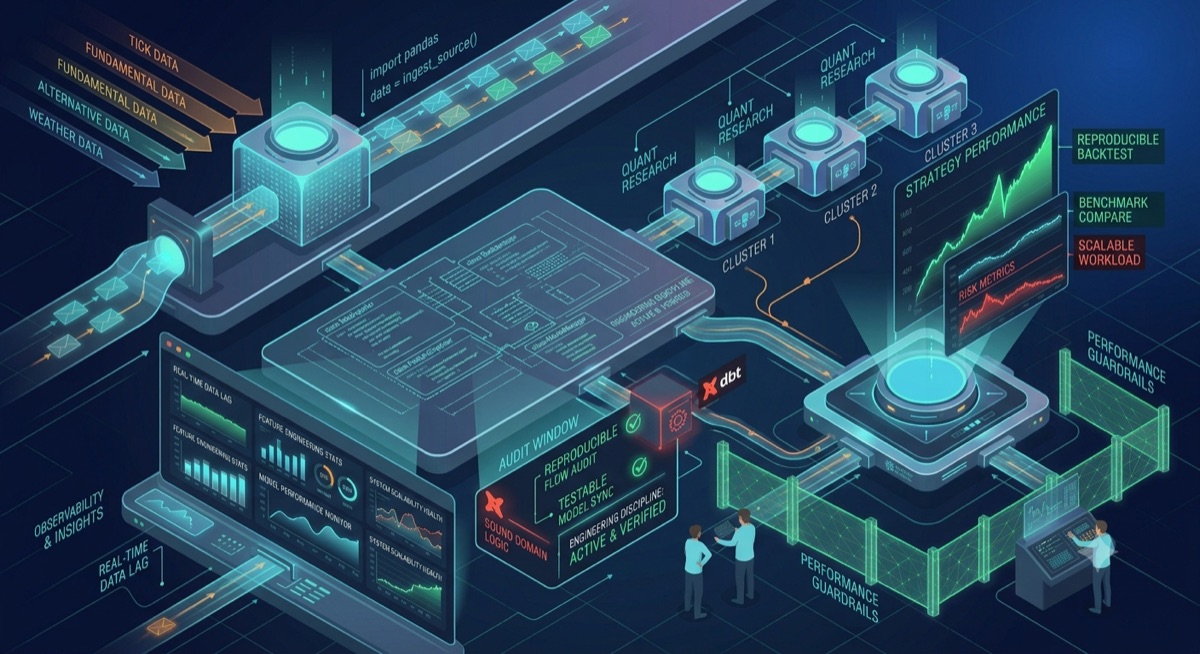
Building a Clean, Scalable Quant Research Pipeline in Python
Quantitative trading thrives on two things: sound domain logic and solid engineering discipline. A strategy may look strong in theory, but without reproducible pipelines, reliable data flows, and testable models, it becomes impossible to scale.